




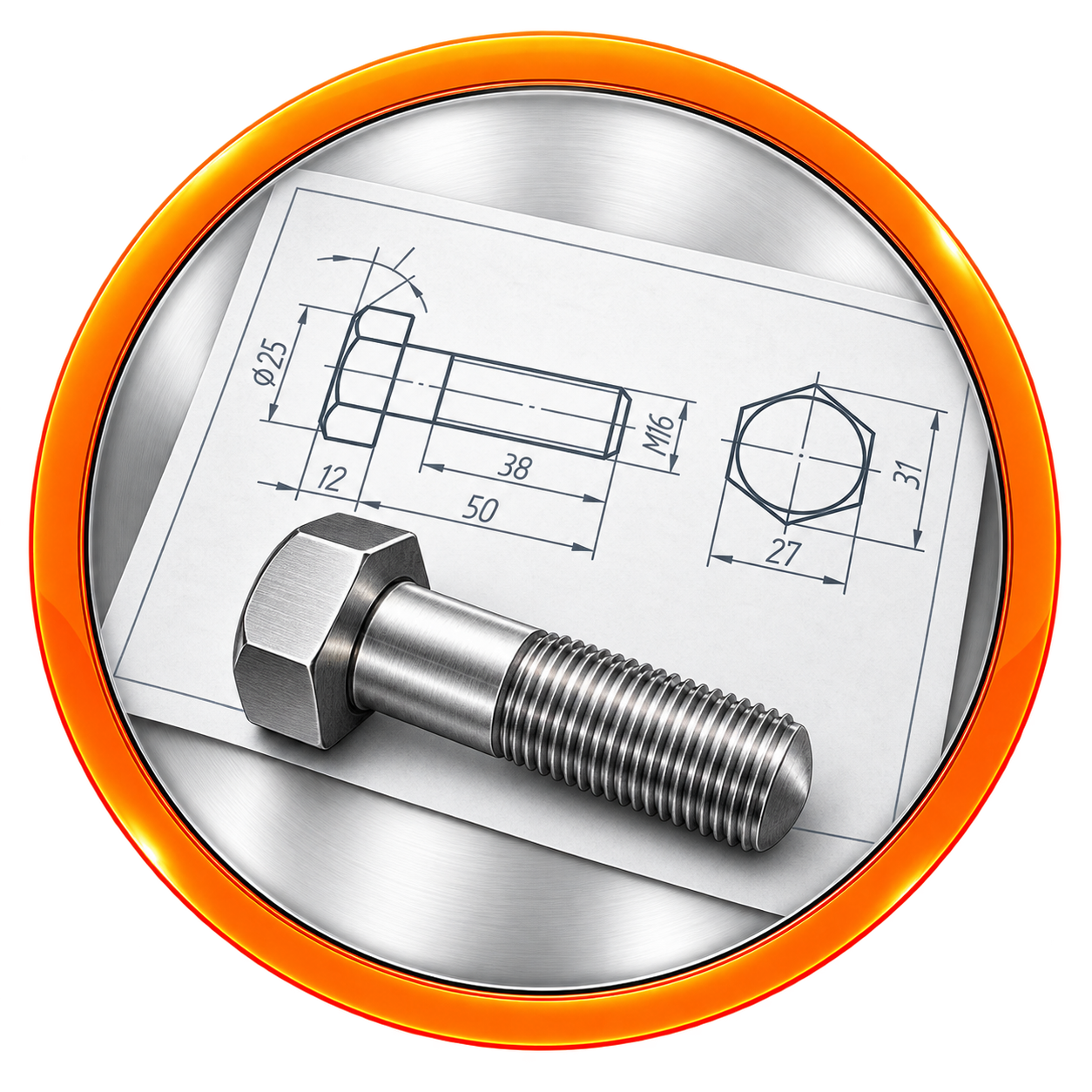
Fastener standards define dimensions, tolerances, mechanical properties, materials and testing requirements. The standard number should therefore be treated as part of the product specification.
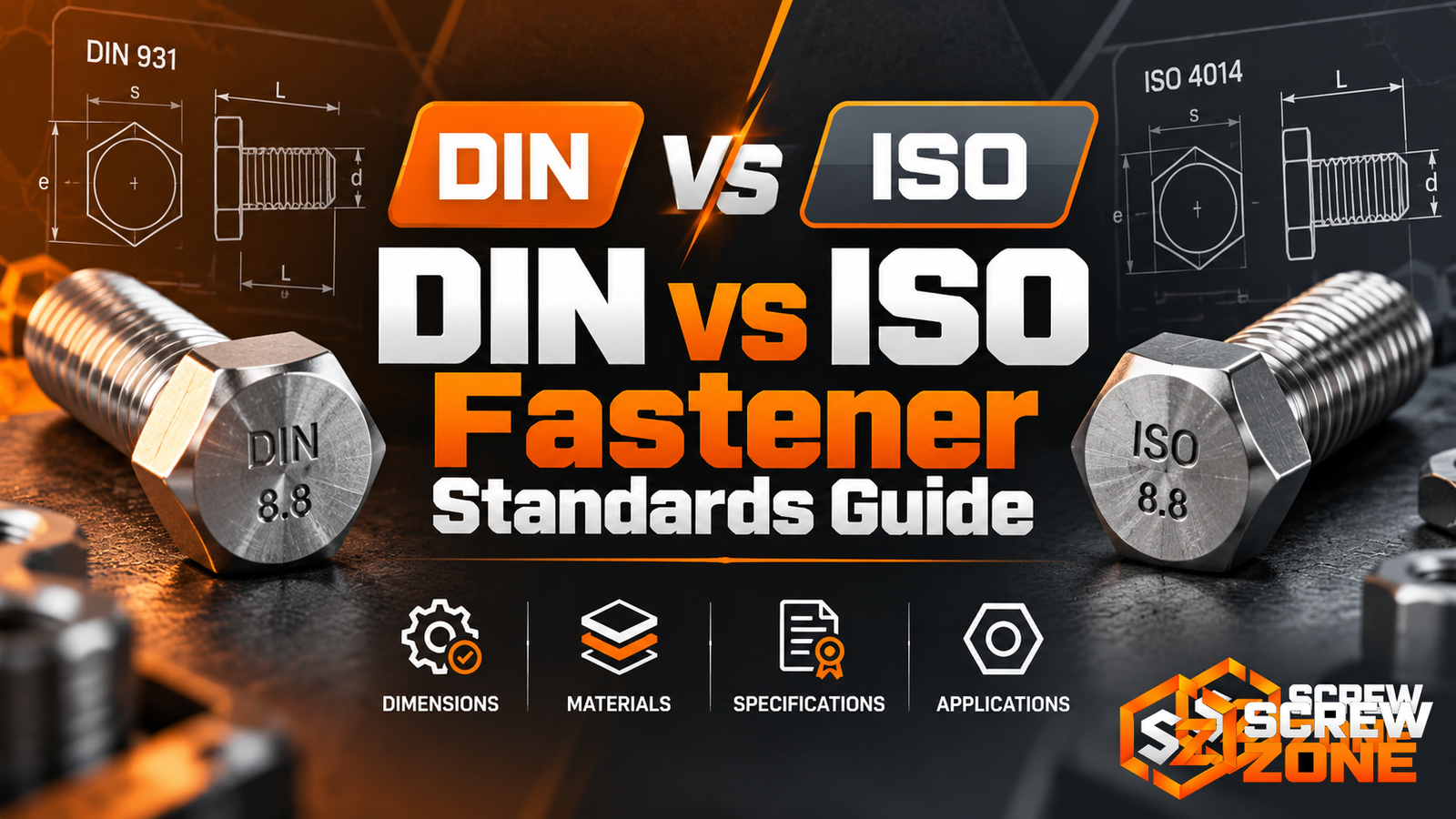
DIN standards originated in Germany and remain common in machinery and industrial procurement. Many DIN fastener standards now have closely related ISO equivalents, but dimensions or technical requirements may not always be identical.
ISO standards support international consistency, while ASTM specifications are widely used for material and performance requirements, particularly in structural, pressure and construction applications.
Before substituting one standard for another, compare head dimensions, thread length, tolerance, property class, material and finish. A written drawing or approved equivalence prevents costly assembly problems.
Fastener Guides
DIN, ISO and ASTM Fastener Standards Explained
A practical comparison of common international fastener standards used in manufacturing and maintenance.
Was this guide useful?
Help us improve the Knowledge Centre.