
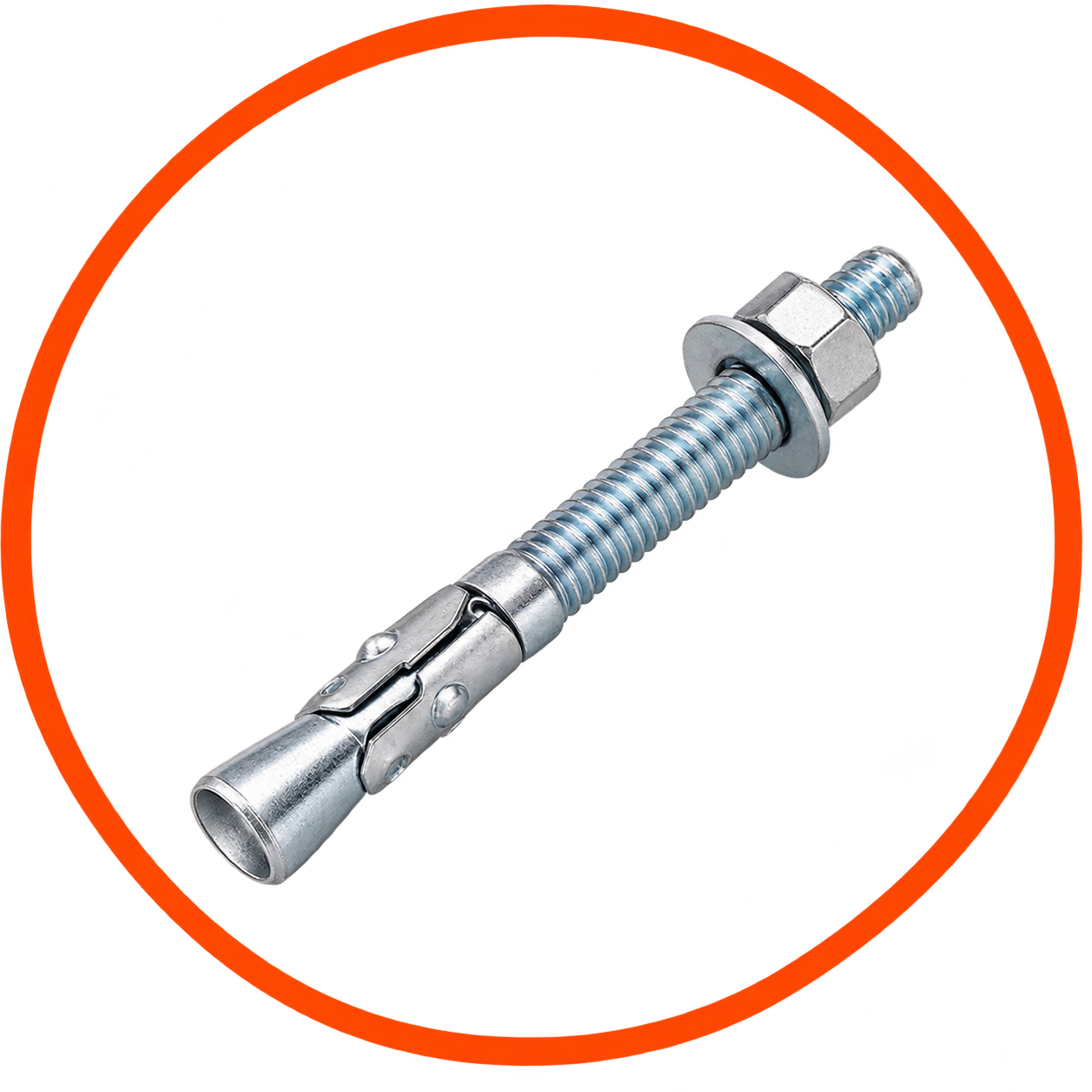


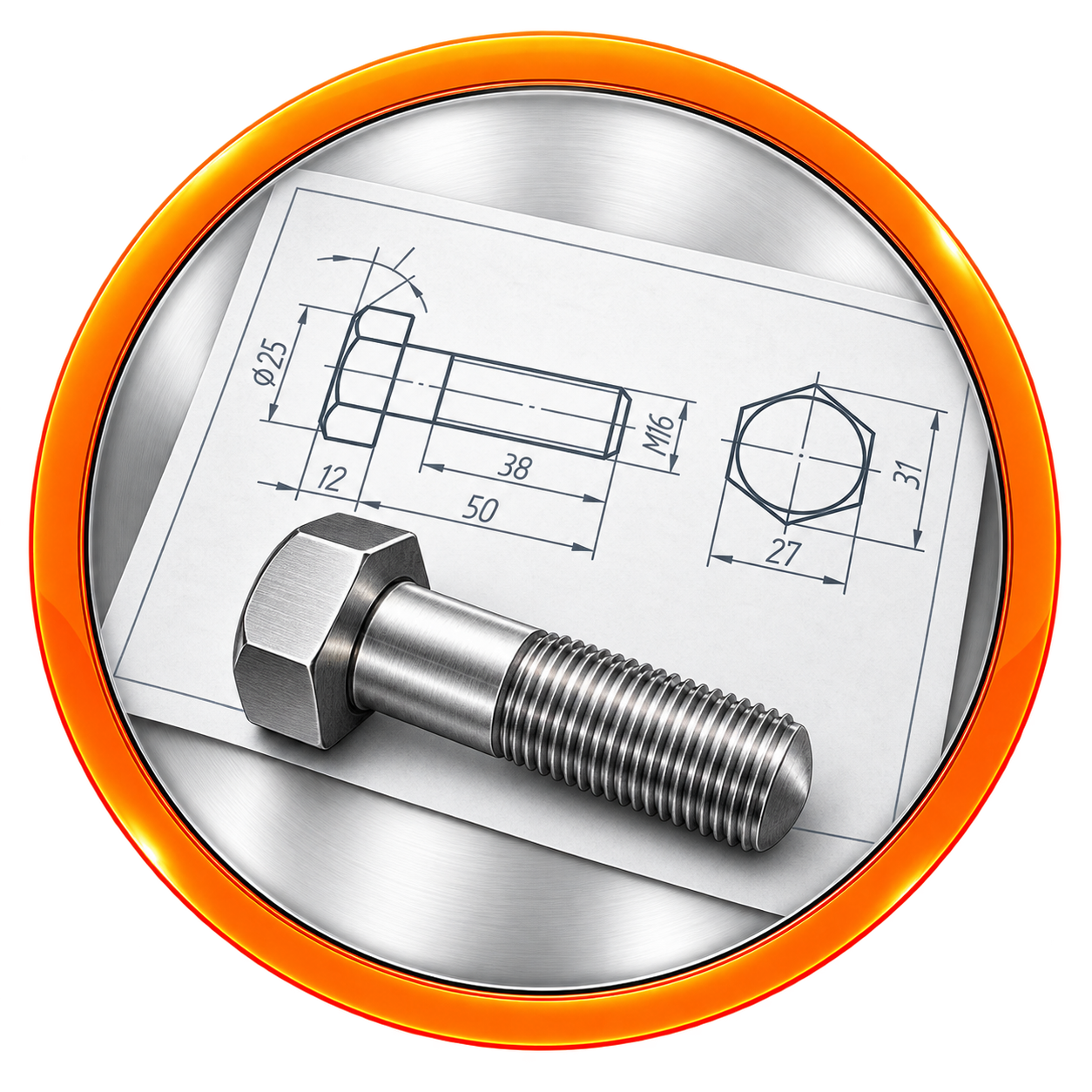
Metric fasteners are identified by nominal diameter and thread pitch. When only a designation such as M10 is shown, the intended pitch is often the standard coarse pitch for that product, but an engineering drawing or purchase specification should be treated as the final authority.
WHAT COARSE AND FINE MEAN
A coarse thread has a larger distance between adjacent thread crests. A fine thread has a smaller pitch for the same nominal diameter. ISO 261 defines the general plan for ISO metric screw threads, while ISO 262 lists selected diameter and pitch combinations commonly used for commercial bolts, screws, studs and nuts.
WHEN COARSE THREADS ARE COMMONLY PREFERRED
Coarse threads are widely used in general machinery and fabrication because they are readily available and relatively tolerant of minor dirt or handling damage. Their larger pitch also means fewer turns are required to advance the fastener a given distance.
WHEN FINE THREADS MAY BE SPECIFIED
Fine threads provide more threads per unit length and can be useful where finer adjustment, a particular tensile stress area, limited engagement depth or an established equipment specification requires them. They are also common in applications where the original design standard specifically calls for a fine pitch.
DO NOT MIX PITCHES
An M10 coarse nut and an M10 fine bolt share the same nominal diameter but are not interchangeable. Forcing mismatched threads can damage both components and can create a joint that appears assembled without having reliable thread engagement.
HOW TO IDENTIFY THE PITCH
Use a metric thread pitch gauge when possible. If one is not available, measure the distance across multiple thread intervals with a caliper and divide by the number of pitches measured. Clean damaged or coated threads before measuring because plating, contamination and deformation can make readings less clear.
PROCUREMENT CHECKLIST
For every non-obvious fastener, record the complete designation: diameter, pitch, length, product standard, material or property class, finish and required nut or tapped-hole specification. This is especially important for replacement parts and imported equipment where both coarse and fine pitches may be present.
Never change thread pitch on a load-bearing or safety-critical joint without engineering approval. Pitch affects the mating component, engagement, preload behaviour and the validity of the original design.
Threads & Standards
Metric Coarse vs Fine Thread: How to Choose the Right Pitch
Understand the practical differences between metric coarse and fine threads and why the specified pitch must match the application.

Was this guide useful?
Help us improve the Knowledge Centre.