
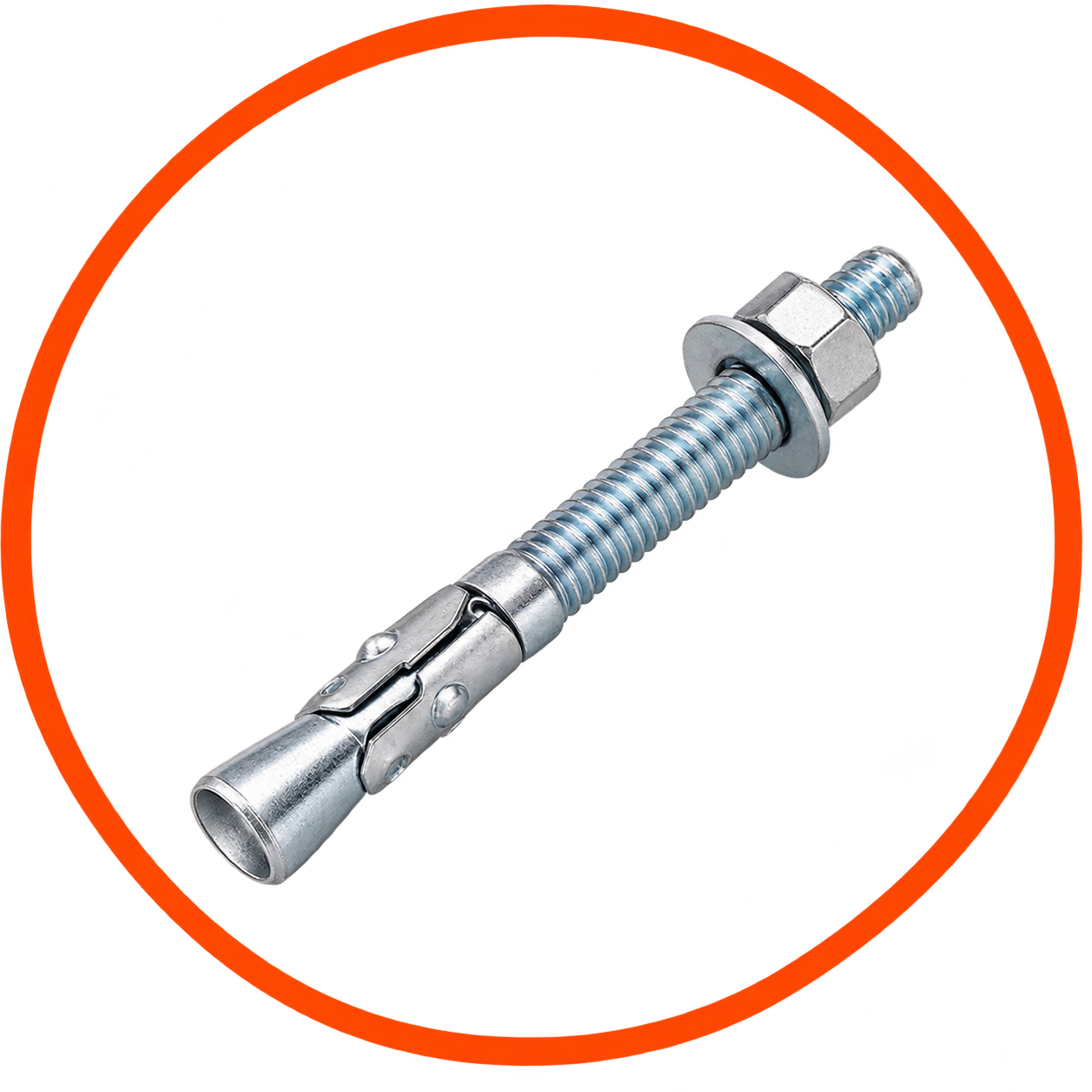



A torque wrench measures applied turning torque, not bolt tension directly. In many bolted joints, the goal of tightening is to create a controlled preload that clamps the parts together. Torque is one method used to achieve that preload, but the relationship is strongly affected by friction.
WHERE THE TORQUE GOES
During tightening, a large portion of the applied torque is consumed by friction in the threads and under the rotating bearing surface. Only part of it produces useful bolt stretch and clamp load. That is why two visually identical assemblies can reach different preload values at the same torque if their friction conditions differ.
LUBRICATION CHANGES THE RESULT
Oil, anti-seize, plating, threadlocker, surface finish and repeated assembly can all change friction. Applying a torque value intended for dry threads to a lubricated fastener can therefore produce a significantly different preload. Always use the torque procedure for the exact material, coating, lubricant and joint condition.
TORQUE VALUES ARE NOT UNIVERSAL
There is no single correct torque based only on bolt diameter. Property class, thread pitch, joint stiffness, nut factor or friction model, desired preload, reuse policy and equipment requirements all matter. Manufacturer tables can be useful only when their assumptions match the actual joint.
GOOD INSTALLATION PRACTICE
Inspect threads and bearing surfaces. Replace damaged fasteners. Confirm the specified lubricant or dry condition. Use calibrated tools where required. Tighten multi-bolt joints in the prescribed sequence and stages. For critical joints, use the approved method, which may involve torque-angle, direct tension indicators, hydraulic tensioning or another controlled technique.
WHY UNDER-TIGHTENING AND OVER-TIGHTENING BOTH MATTER
Insufficient preload can allow joint movement, fatigue loading and loosening. Excessive tightening can yield the fastener, strip threads, crush the clamped material or damage the joint.
A torque figure should therefore always come with context. For safety-critical connections, follow the engineering drawing, equipment manual or applicable standard and do not invent a value from a generic internet chart.
Installation & Maintenance
Bolt Torque and Preload Basics: Why the Same Torque Can Give Different Clamp Loads
Learn why tightening torque is only an indirect way to create bolt preload and why friction, lubrication and surface condition matter.

Was this guide useful?
Help us improve the Knowledge Centre.